1.
Read the text and answer the questions following it.
The Olympics have a very long history. They began in 776 BC and took place every four years for nearly 1200 years at Olympia, in Greece. The citizens of all the Greek states were invited to take part in the Games. The prizes were wreaths made of the branches of olive trees.
In 394 AD the games were stopped by the Roman Emperor Theodosius, and they weren’t held again until 1896. The games of 1896 were held at Athens and they were the first international Olympic Games. All the nations of the world were invited to send athletic teams.
From then and until the present time the Olympic Games have been international and the number of athletes taking part and the number of events on the programme have increased. In these games only amateurs or non-professional athletes can take part. Each country sends teams for as many of different events as possible. The winners of each event are given a certain number of points. The International Olympic Committee decides where each Olympics will take place. They ask a city (not a country) to be the host.
1. Read the text and answer the questions.
1. When did the Olympics begin?
They began in 776 BC.
2. Who stopped the games in 394 AD?
The Roman Emperor Theodosius stopped the games.
3. Can non-professional athletes take part in the games?
Yes, only non-professional (amateur) athletes can take part.
4. Who decides where each Olympics will take place?
The International Olympic Committee decides.
2. Write the verbs in the right tense form.
Thomas Isherwood arrived at Tindaro by the morning train. He was tall and thin. His eyes (1) were blue and his face was brown (to be). He looked tired as he (2) hadn’t slept well in the train (not to sleep). He wore a grey overcoat and a blue and white scarf, and a brown hat.
No one (3) had come to meet him, and he walked slowly along the platform carrying a brown leather suitcase (to come). He looked for a porter and gave him the luggage ticket.
He (4) didn’t know Italian, not a word of it (not to know). He was a typical Englishman just capable of asking “How much” – “give me the change”.
He said only one word to the porter – “Taxi”. His luggage (5) was put into the taxi and then he himself got in (to be put).
3. Translate the sentences from Armenian into English.
1. Որքա՞ն հաճախ եք դուք հանդիպում ձեր ընկերների հետ։
How often do you meet your friends?
2. Ես կարծում եմ, որ տնօրենը վաղը չի կարողանա ընդունել Ձեզ, քանի որ նա շատ զբաղված է լինելու։
I think the director will not be able to receive you tomorrow because he will be very busy.
3. Նրանք ասացին, որ ստիպված են եղել թարգմանությունը կատարել բանավոր։
They said that they had been forced to do the translation orally.
4. Դուք կարող եք նրան տեղեկացնել, որ համերգը լինելու է վաղը երեկոյան։
You may inform him that the concert will take place tomorrow evening.
5. Երբ Ջոնը զանգեց, ես արդեն ավարտել էի իմ դասերը։
When John called, I had already finished my lessons.
4. Educational camps in our school — short composition
Which camp do you prefer — summer or winter? Why? Tell about your favourite activity.
I prefer the summer camp because the weather is warm and we can spend much more time outdoors. During the summer camp we play different games, go hiking and have creative workshops, which are my favourite activities. I especially enjoy the outdoor sports and team competitions because they help us make new friends and have fun together. Summer camp always feels active, interesting and full of positive energy.
Test
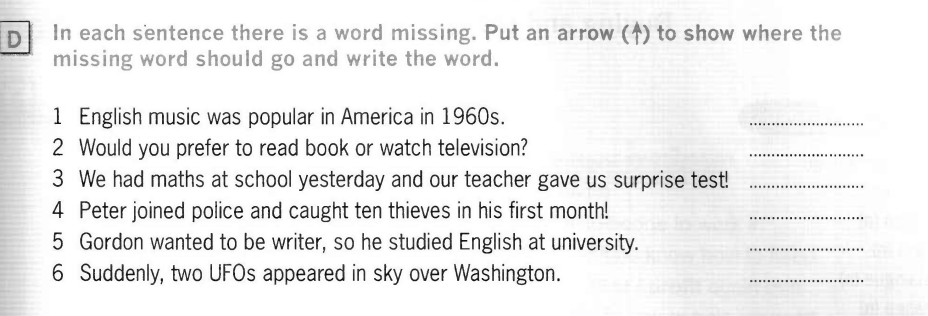
1. Stop worrying about your exam – everything will be fine.
2. I’ve waited for Judy for 30 minutes. I’m going home.
3. Stop talking and concentrate on your work.
4. Don’t forget to pay for the newspaper.
5. He explained the computer program to me.
6. I don’t know what we’ll do at the weekend. It depends on the weather.
7. She will arrive in Beijing at 3pm.
8. I like to listen to the radio when I wake up.
9. He borrowed £20 from his brother.
10. Who does this coat belong to?
11. She left without paying for the meal.
12. It was so hot, I couldn’t concentrate on my book.
13. Mothers always worry about their children.
14. Please explain the meaning of this word to your classmates.
15. I’m fed up with waiting for spring.
16. That car belongs to my father.
17. She listens to opera on the tube.
18. A: Which university will you go to?
B: It depends on my exam results.
19. A lot of people borrow money from the bank.
20. When she arrived at the pub, it was already closed.
2
1. When I looked out of the window, I saw John.
2. Have you ever played the piano since you left school?
3.I haven’t seen him for two days.
4. When he tried to open the door, he dropped his key.
5. They have lived in this house since 1987.
6. My father was washing his car while my mother and I were preparing dinner.
7. Did you meet her yesterday?
8. Mary has been in London for three days.
9. The headmaster entered the classroom when they were writing their exams.
10. He bought a new car last week.
11. I think that they will arrive tomorrow morning.
12. Last Wednesday they played chess after they had done their homework.
How Important is Money to You?
Money is an important part of our lives. We need it to buy food, clothes, and a place to live. Without money, it is difficult to feel safe and comfortable. However, I don’t think money is the most important thing in life.
For me, love, family, health, and happiness are much more valuable. Money can buy many things, but it cannot buy true friendship or peace of mind. A person can be rich and still feel lonely or unhappy. On the other hand, someone with little money but a kind heart and caring friends can live a meaningful life.
Of course, I understand that money helps us achieve our goals. It allows us to study, travel, and experience new things. That is why I believe money is necessary, but it should never control us. We should use money wisely, not let it change who we are.
In conclusion, money is important, but it is not everything. It is only a tool that helps us live, not the reason for living.
English
Circle the correct word or phrase.
1 I work/ am working at the local library for the summer.
2 We don’t go / aren’t going to the theatre very often.
3 Stacy gets / is getting ready for school, so she can’t come to the phone.
4 Does Gary ever talk / Is Gary ever talking about his expedition to the Amazon jungle?
5 In squash, you hit/ are hitting a ballagainst a wall.
6 I read/ am reading a newspaper at least once a week.
7 Do you practise / Are you practising the piano for two hours every day?
8 Nadine and Claire do / are doing quite well at school at the moment.
9 A good friend knows / is knowing when you’re upset about something.
10 How do you spell/ are you spelling your name?
Sport vocabulary
Class work.


Class work

1. champion
4. gym
5. coach
8. referee
9. support
11. folk music
2. member
3. opponent
6. defeat
10. risk

- beating
- .
- interests
- have fun
- organise
- challenge
- train

- board
- captain
- pleasure
- concert
- classical

- up
- down
- in
- off
- up
- in
- out
- up

- for
- on
- .
- out
- on
- for

- singer
- musical
- athletic
- children
- actor
- collection
- sailing
- musician
English

- I love
- moving
- seem
- need
- take
- win
- prefer
- I’m waiting
- is doing
- winning
English

2. Helen often eats fast food for lunch.
3. In the evening Helen usually meets her friends for coffee.
4. Once a week Helen watches a film at the cinema.
5. Helen rarely goes to the gym.
6. Helen has a driving lesson twice a week.

- is writing
- are losing
- is having
- is staying
- I’m not lying
- is always using
- are having
- Are you playing

2. What’s going on? I hope you aren’t touching my things!
3. It’s a small business, so each person does lots of different jobs.
4. Is Christine listening to the radio, or is that the TV I can hear?
5. I usually buy a special ticket each week for the bus because it’s cheaper.
6. Our washing machine starts when you press this button.
7. How’s the match going? Is our team winning?
8. Many people enjoy spending time on the beach on holiday.

- am working
- aren’t going
- is getting
- Does Gary ever talk
- hit
- am reading
- Do you practise
- are doing
- knows
- do you spell

- are moving
- Do, watch
- help
- I’m using
- Is, having
- Do, have
- don’t hold
- belongs